
This article provides an analytical overview of Green Building Certifications, particularly LEED, and the innovative integration of Smart Glass technology in Malaysia’s construction industry.
It comprehensively explores the significance, application smart glass Malaysia, and future trends of these environmentally-friendly practices.
The information presented is specifically tailored for forward-thinking readers seeking sustainable alternatives in building design and construction.
Understanding Green Building Certifications
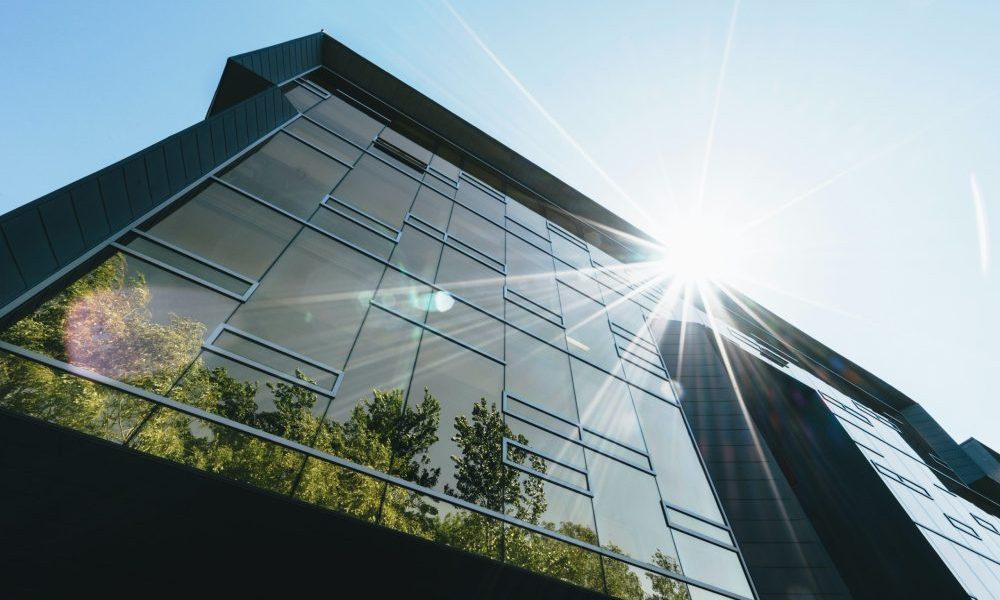
Exploring Green Building Certifications involves understanding their integral role in promoting sustainable and environmentally friendly construction practices. Key among these certifications is the Leadership in Energy and Environmental Design (LEED), a globally recognized symbol of sustainability achievement smart glass windows. LEED provides a framework for creating highly efficient and cost-saving green buildings, which is a significant move towards freedom from unconstrained resource consumption.
In Malaysia, the Green Building Index (GBI) is an environmental rating system for buildings developed specifically for the Malaysian climate, cultural and social needs. It encourages designers, architects, engineers, and other relevant professionals to design and construct green buildings that can provide better comfort and quality of life while minimizing negative environmental impacts.
In an age where environmental consciousness is paramount, these certifications represent a commitment to sustainable construction, energy efficiency, and a reduced carbon footprint. They are not just marks of excellence, but a testament to a building’s reduced impact on the environment and its contribution to a healthier habitat. By embracing such certifications, we are encouraged to rethink our building practices and champion sustainable development.
The Significance of LEED in Malaysia
The adoption of the LEED certification in Malaysia signifies a progressive step towards sustainable construction, echoing the country’s commitment to environmental preservation and energy efficiency. This U.S.-originated certification system has been globally recognized for its comprehensive approach to evaluating the sustainability of a building, from design and construction to operation and maintenance.
In Malaysia, the significance of LEED is multifold. It not only validates the sustainable measures incorporated into a building but also promotes a culture of environmental responsibility among developers and occupants. A LEED-certified building is a testament to the nation’s dedication to reducing its carbon footprint and mitigating climate change impacts.
Furthermore, LEED’s emphasis on energy efficiency aligns with Malaysia’s National Energy Efficiency Action Plan. It encourages the use of innovative technologies such as smart glass, which significantly reduces energy consumption in buildings. Additionally, the LEED certification provides a competitive advantage to property developers, appealing to environmentally-conscious investors and consumers.
An Overview of Smart Glass Technology
In the realm of sustainable construction, smart glass technology emerges as an innovative solution that significantly enhances energy efficiency in buildings. This technology, also known as switchable glass, allows for the control of light and heat transmission. It transitions from transparent to opaque through the application of voltage, heat, or light, thus providing flexibility in regulating the internal environment of a building.
Analytically, the advantages of smart glass are manifold. It reduces the need for artificial lighting, heating, and cooling, leading to considerable energy savings. Moreover, it enhances the building’s aesthetic appeal while providing privacy when needed. From an environmental perspective, the lower energy consumption results in reduced carbon emissions, supporting Malaysia’s commitment to sustainability.
However, the high initial cost may deter its widespread adoption. Yet, a comprehensive cost-benefit analysis reveals the long-term savings through reduced energy bills, offering a strong counter-argument. This technology, though still in its nascent stage in Malaysia, holds great promise. As the country steers towards green building certifications, smart glass technology can play a pivotal role in achieving energy-efficient, sustainable constructions.
Smart Glass Application in Green Buildings
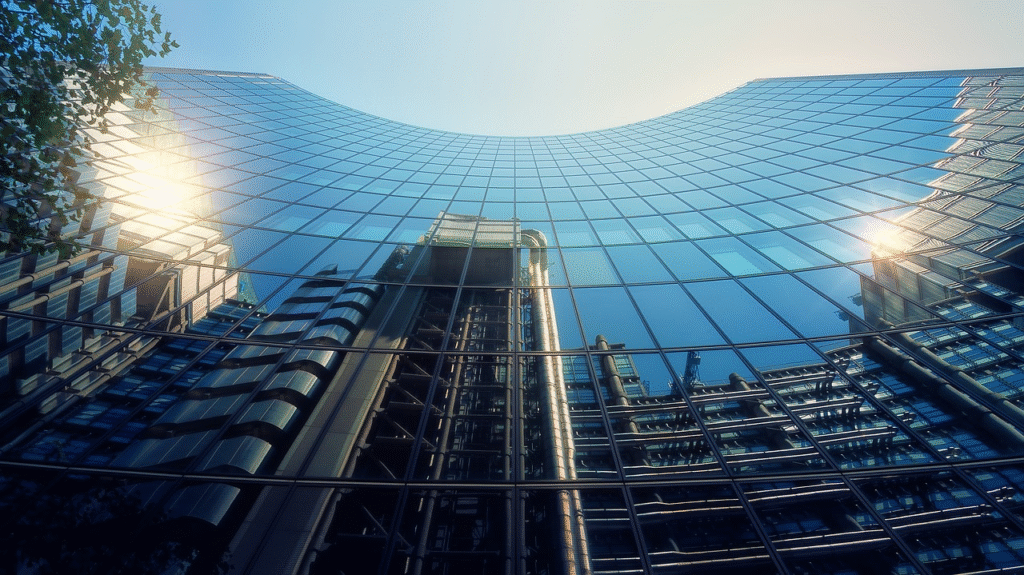
Smart glass, with its innovative properties and multifaceted benefits, finds its application in green buildings as a key element in enhancing energy efficiency and sustainability. This advanced technology, when integrated within the architectural design, can significantly reduce energy consumption by controlling the amount of light and heat entering the building.
By adjusting transparency levels in response to external conditions, smart glass can maintain optimal indoor temperature, thereby reducing the reliance on air-conditioning systems. Furthermore, it can improve occupants’ comfort, productivity, and overall wellbeing by enabling natural daylight penetration while minimizing glare and heat gain.
In Malaysia, the incorporation of smart glass in green buildings is fast gaining traction, propelled by the country’s commitment towards sustainable development. This synergy between smart technology and green building design is key to achieving the national targets for energy efficiency and carbon reduction.
Nonetheless, the upfront costs associated with the installation of smart glass remain a challenge. To overcome this, stakeholders must explore innovative financing models and incentives to make smart glass a viable choice for green buildings. As we move towards a more sustainable future, the role of smart glass in green buildings in Malaysia is expected to become increasingly significant.
Future Trends: Green Building and Smart Glass
With ongoing advancements in technology and increasing awareness of sustainability, green building certifications in Malaysia are expected to mandate the use of smart glass in the near future. This innovative material offers significant energy-saving potential, making it an ideal component of eco-friendly construction.
Smart glass, with its ability to control heat and light transmission, can significantly reduce the need for air conditioning and artificial lighting, thereby reducing a building’s carbon footprint. This aligns well with Malaysia’s commitment to the Paris Agreement on climate change, which prioritizes energy efficiency in buildings.
Additionally, the growing trend of integrating technology with architecture is likely to boost the popularity of smart glass. The ability to electronically control the transparency of windows adds an element of convenience and modernity that appeals to the tech-savvy generation.
The potential for cost savings over the long term, due to reduced energy consumption, makes smart glass a viable investment for property developers. As green building certifications become more stringent, and as the demand for sustainable, energy-efficient buildings rises, the use of smart glass in Malaysian construction is set to become not just a trend, but a standard.
Conclusion
In conclusion, green building certifications, particularly LEED, are gaining prominence in Malaysia, steering sustainable construction practices.
The introduction of smart glass technology offers significant potential in enhancing energy efficiency, a vital component of green buildings.
Continual advancements in this field suggest an encouraging future trend, where the integration of smart glass in green buildings becomes a norm, contributing to Malaysia’s sustainability goals.