
In a bustling metropolis like Singapore, mastering Chinese for everyday interactions is akin to possessing a key that unlocks a multitude of doors chinese tuition secondary. The ability to converse in Mandarin and other Chinese dialects not only facilitates communication but also fosters a deeper understanding of the local culture. From navigating the intricacies of public transportation to immersing oneself in the rich tapestry of culinary delights, a proficiency in Chinese is essential for forging meaningful connections and enriching daily experiences in this vibrant city-state.
Importance of Chinese in Singapore
The significance of the Chinese language in Singapore’s societal fabric is undeniable, serving as a cornerstone of communication, cultural heritage, and economic opportunities. With a large percentage of the population being of Chinese descent yanzi mandarin, Mandarin, Hokkien, Cantonese, and other Chinese dialects are widely spoken and hold a critical place in daily interactions.
From a communication standpoint, Chinese language proficiency is essential for effective engagement in various social, academic, and professional settings. Understanding Chinese allows individuals to connect with a significant portion of the population, fostering better relationships and enhancing inclusivity. Moreover, the ability to speak Chinese opens up doors to a myriad of cultural experiences, enabling individuals to appreciate traditions, literature, and customs deeply rooted in Chinese heritage.
Economically, being proficient in Chinese provides a competitive edge in Singapore’s business landscape, where many companies conduct transactions with Chinese-speaking partners. This linguistic skill facilitates smoother negotiations, clearer communication, and the establishment of trust, ultimately contributing to successful business ventures and collaborations.
Basic Chinese Phrases for Travelers
Basic Chinese Phrases for Travelers are crucial for effective communication in a Mandarin-speaking environment. These essential travel phrases and useful Mandarin expressions play a vital role in navigating through various situations while traveling in Singapore or other Chinese-speaking regions.
Mastering these phrases can greatly enhance the overall travel experience and facilitate interactions with locals.
Essential Travel Phrases
When traveling in Chinese-speaking regions like Singapore, equipping oneself with essential travel phrases in Mandarin can greatly enhance communication and cultural immersion. These key phrases can assist travelers in navigating transportation, ordering food, asking for directions, and engaging with locals.
Some essential travel phrases include greetings like ‘你好’ (nǐ hǎo – hello) and ‘谢谢’ (xièxiè – thank you), as well as practical phrases such as ‘请问洗手间在哪里?’ (qǐngwèn xǐshǒujiān zài nǎlǐ? – Where is the restroom?) and ‘我要买一张地铁票’ (wǒ yào mǎi yī zhāng dìtiě piào – I would like to buy a metro ticket).
Useful Mandarin Expressions
Equipping oneself with a repertoire of useful Mandarin expressions can significantly enhance a traveler’s experience in Chinese-speaking regions like Singapore. Basic phrases such as ‘你好’ (nǐ hǎo – hello), ‘谢谢’ (xiè xiè – thank you), and ‘对不起’ (duì bù qǐ – sorry) can facilitate interactions with locals and show respect for the culture.
When exploring Singapore, knowing how to ask for directions with ‘请问洗手间在哪里?’ (qǐng wèn xǐ shǒu jiān zài nǎ lǐ – Where is the bathroom?) or ordering food using ‘我要一碗面’ (wǒ yào yī wǎn miàn – I would like a bowl of noodles) can make navigating the city and enjoying local cuisine more accessible.
Navigating Public Transportation in Chinese
Efficiently maneuvering through Singapore’s public transportation system while conversing in Chinese requires a firm grasp of key phrases and route information. When taking the MRT, knowing how to ask for directions to specific stations or lines is essential. Phrases like ‘请问这站怎么走?(Excuse me, how do I get to this station?)’ can help you navigate seamlessly. Understanding common announcements such as ‘下一站是… (The next station is…)’ will also aid in a smooth journey.
Bus travel necessitates knowing how to inquire about the bus number or the next bus stop, for example, ‘这趟巴士是几号?(What is the number of this bus?)’ or ‘下一站是哪里?(Where is the next stop?)’.
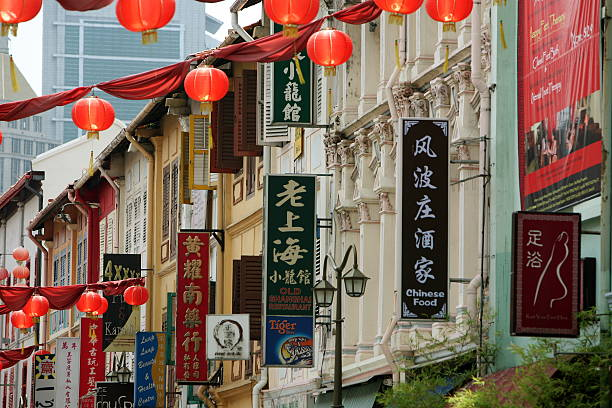
Moreover, being able to read Chinese characters on signs and maps is advantageous. Familiarizing yourself with transportation vocabulary like 车站 (bus stop) and 交通 (transportation) will enhance your understanding of the system. By mastering these language skills, you can confidently navigate public transportation in Singapore while conversing in Chinese.
Ordering Food in Local Chinese Restaurants
Mastering the art of ordering food in local Chinese restaurants involves understanding the menu, cultural nuances, and etiquettes associated with dining. When dining in a local Chinese restaurant in Singapore, it is common to find a wide array of dishes ranging from traditional delicacies like Hainanese chicken rice to more adventurous options such as chili crab. It is essential to be familiar with common ingredients and cooking styles to navigate the menu effectively.
One key aspect to consider when ordering food is the serving size. Chinese restaurants often serve dishes meant for sharing, so it is customary to order multiple dishes and share them among the diners. Additionally, be mindful of cultural norms such as using chopsticks and not sticking chopsticks upright in a bowl of rice, as it symbolizes death.
Moreover, understanding basic Mandarin phrases for ordering food can enhance the dining experience. Polite phrases like ‘请给我…’ (qǐng gěi wǒ) meaning ‘Please give me…’ can facilitate communication with the waitstaff. By embracing these cultural nuances and etiquettes, one can fully immerse themselves in the culinary delights of local Chinese cuisine in Singapore.
Communicating With Local Vendors in Chinese
Navigating through daily interactions with local vendors in Singapore requires a basic understanding of Chinese language to effectively communicate and engage with the diverse array of goods and services available. When interacting with local vendors in Singapore, being able to communicate in Chinese can greatly enhance the overall experience.
Mandarin and other Chinese dialects are commonly spoken among vendors, especially in traditional markets and smaller shops. Basic phrases like greetings, asking for prices, and expressing preferences can facilitate smoother transactions. Additionally, understanding numbers in Chinese is crucial for negotiating prices and quantities.
Politeness is highly valued in Chinese culture, so using polite expressions such as ‘请问’ (qǐngwèn – excuse me) and ‘谢谢’ (xièxiè – thank you) can go a long way in building rapport with vendors. Overall, being able to communicate in Chinese with local vendors not only simplifies the shopping experience but also shows respect for the local culture and enhances the sense of connection with the community.
Understanding Chinese Cultural Etiquette
Understanding Chinese cultural etiquette plays a crucial role in navigating social interactions with finesse.
Cultural greetings in China embody respect and tradition, reflecting the importance of hierarchy and relationships.
Similarly, dining etiquette in China involves intricate customs that signify respect and appreciation for the host and the meal.
Cultural Greetings in China
Cultural greetings in China play a significant role in demonstrating respect and understanding of Chinese cultural etiquette. When greeting someone in China, it is customary to address them using their title or professional designation, followed by their surname. Handshakes are common in formal settings, but a slight bow or nod is also acceptable, especially when greeting elders or individuals of higher status.
It is important to maintain eye contact as a sign of attentiveness and respect. Additionally, using both hands to offer or receive business cards is considered polite. Understanding these cultural nuances in greetings is essential for building positive relationships and showing appreciation for Chinese customs and traditions.
Dining Etiquette in China
To fully grasp the nuances of Chinese cultural etiquette, it is imperative to comprehend the intricacies of dining etiquette in China. Dining in China is considered a significant social activity where respect for hierarchy and traditions plays a crucial role.
Seating arrangements often reflect the importance of individuals, with the most honored guests seated furthest from the door. When dining, it is polite to wait for the host or the most senior person to start eating before beginning your meal. Additionally, using chopsticks correctly, offering and receiving dishes with both hands, and avoiding sticking chopsticks upright in a bowl are essential etiquettes.
Understanding and practicing these dining customs can significantly enhance interactions and relationships in Chinese culture.
Conclusion
In conclusion, proficiency in Chinese language skills is crucial for navigating everyday life in Singapore.
From ordering food to communicating with vendors and understanding cultural etiquette, basic Chinese phrases enhance communication and enrich cultural experiences.
Embracing Chinese language and culture in daily interactions opens doors to deeper connections and a richer experience in this multicultural society.